










Oil spike fades as markets reassess Iran war supply risks
Crude futures hit $115 a barrel Monday before falling below $90 as G7 nations discuss strategic reserve releases
Oil spike fuels inflation fears as officials cite market panic after $6 trillion loss in market cap
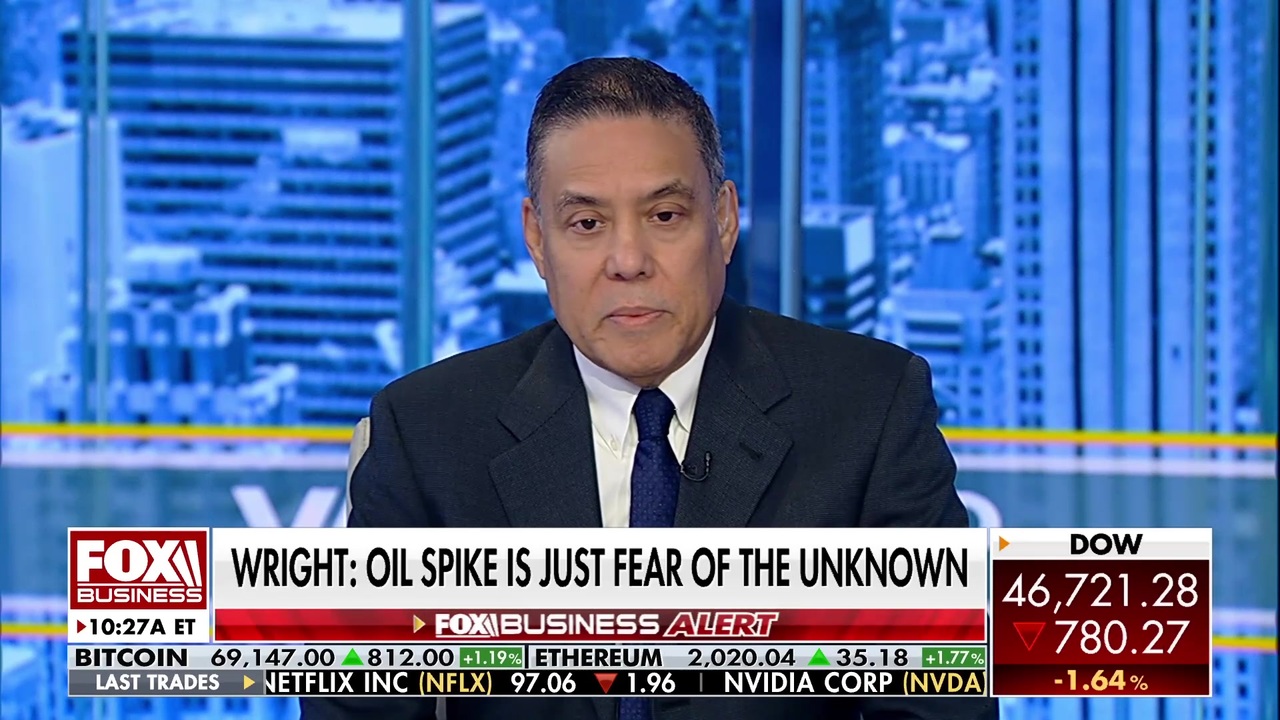
Former JP Morgan Chase chief economist Anthony Chan breaks down the run up in oil prices on 'Varney & Co.'
Oil prices briefly spiked to more than $100 a barrel on Monday amid the ongoing war in Iran, before falling sharply, underscoring how initial fears of supply disruptions eased as contingency plans emerged.
Before the outbreak of war with Iran, oil was trading in the range of $60 to $70 a barrel, but prices soared after the conflict began, with crude oil futures reaching upward of $115 a barrel on Monday – the highest level since 2022 when Russia invaded Ukraine.
Early headlines suggested global benchmark Brent crude could hit $150 a barrel due to the supply shock, though trading data showed the spike was short-lived. Crude prices were down 8%, while West Texas Intermediate fell nearly 9% on Tuesday afternoon.
HOW THE IRAN WAR COULD HIT AMERICANS' GROCERY BILLS
Phil Flynn, senior market analyst at the Price Futures Group and a FOX Business contributor, said in an interview that panic buying ensued after reports of tankers and refineries being hit.
"But I think as the day went on into the overnight, the market realized that maybe things aren't that bad – the U.S. is having incredible military victories, President Trump is saying, 'hey, you know what, the war is probably not going to be going on that long.' And even some signals that the world doesn't have to just sit and stand and take it," he said.
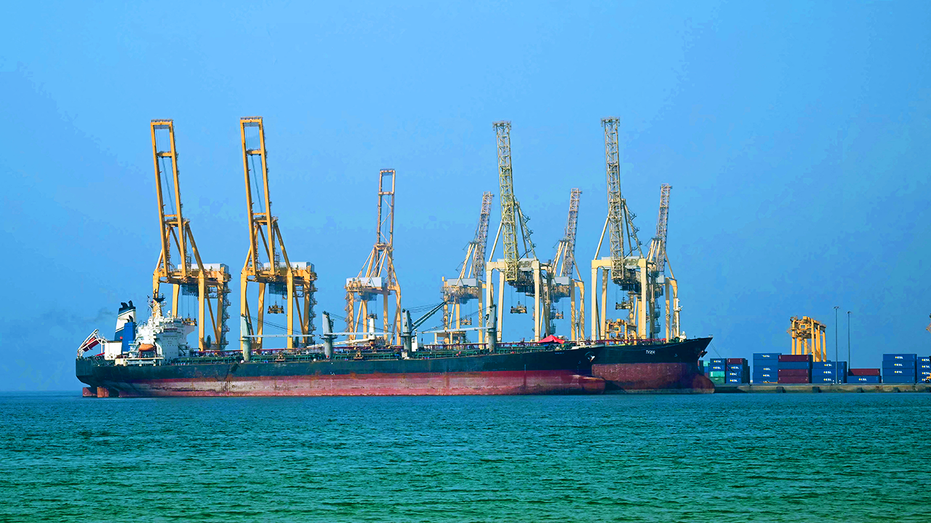
Oil prices surged amid uncertainty caused by the Iran war, though prices have since eased. (Giuseppe Cacace/AFP via Getty Images / Getty Images)
Leaders from the G7 nations and the International Energy Association (IEA) discussed potential releases from strategic oil reserves to respond to a potential price shock or shortage in the market on Monday and Tuesday, concluding that they weren't immediately planning to do so while stating they're prepared to take "necessary measures" to support the oil market if needed.
WILL TAPPING OIL RESERVES CURB SOARING GAS PRICES?
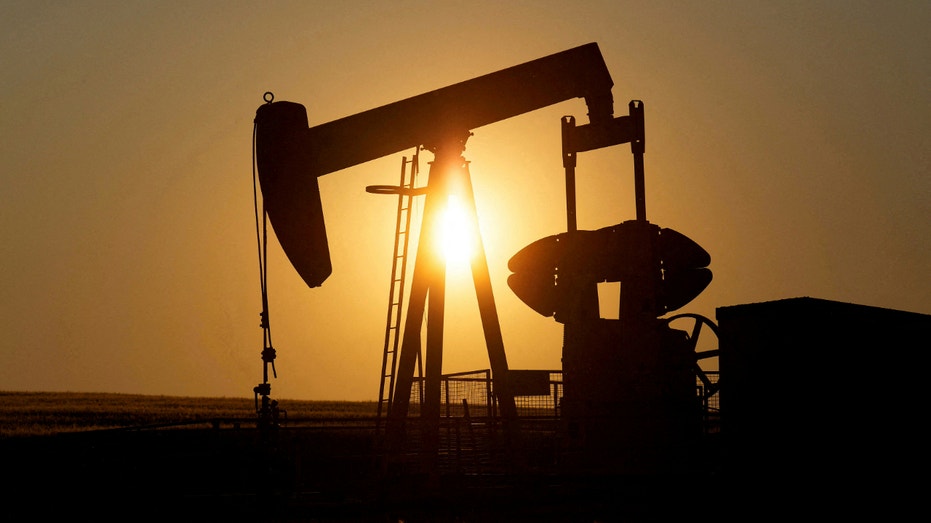
Oil production could increase in the next two years due to the price shock caused by the Iran war, the EIA said. (Reuters/Todd Korol)
"We have the possibility of a coordinated release from the G7 and the IEA of oil reserves that could cool prices," Flynn noted. "There's many things happening that usually happen when prices go up that can cool prices off very quickly."
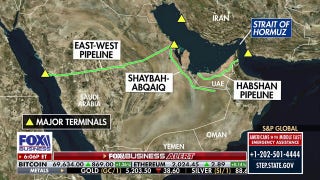
He added that Saudi Arabia built its east-to-west pipeline to avoid threats in the Persian Gulf and Strait of Hormuz and also increased its capacity to 7 million barrels a day, with expectations it will operate at full capacity in days.
FED OFFICIALS CLOSELY MONITOR IRAN CONFLICT FOR POTENTIAL INFLATION IMPACT
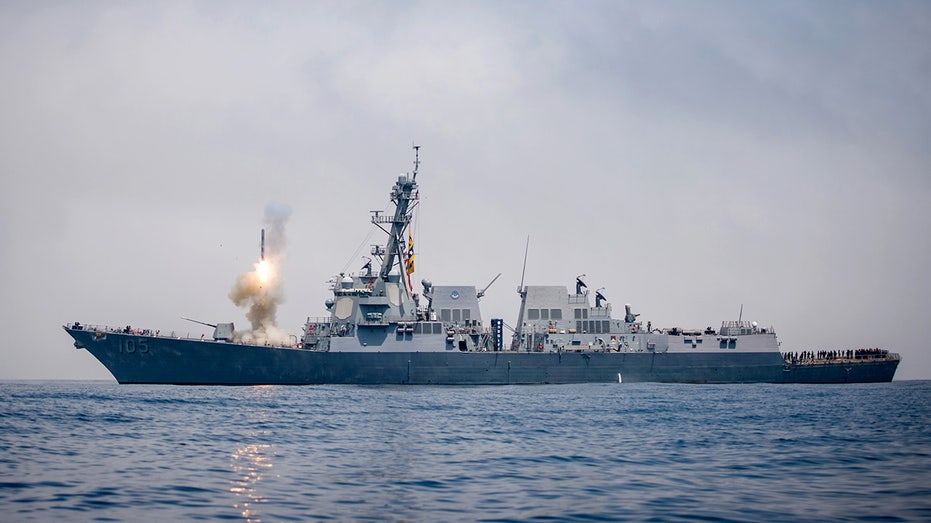
U.S. Navy vessels in the region have also participated in the strikes on Iran. (DVIDS/U.S. Navy photo by Mass Communication Specialist 2nd Class Devin M. Langer)
Flynn added that the Energy Information Administration (EIA) released a short-term outlook on Tuesday that indicated the higher oil prices are likely to prompt U.S. producers to increase their output of crude oil in 2027.
The EIA said that while "changes in oil prices take time to affect production – moving from investment decisions to rig deployment to well completion and first oil," which is why it sees the current price rise having a bigger impact on production in 2027 and 2028.
AMID IRAN WAR, PRESIDENT TRUMP SUGGESTS SHORT-TERM OIL PRICE SPIKE IS 'SMALL PRICE TO PAY' FOR PEACE
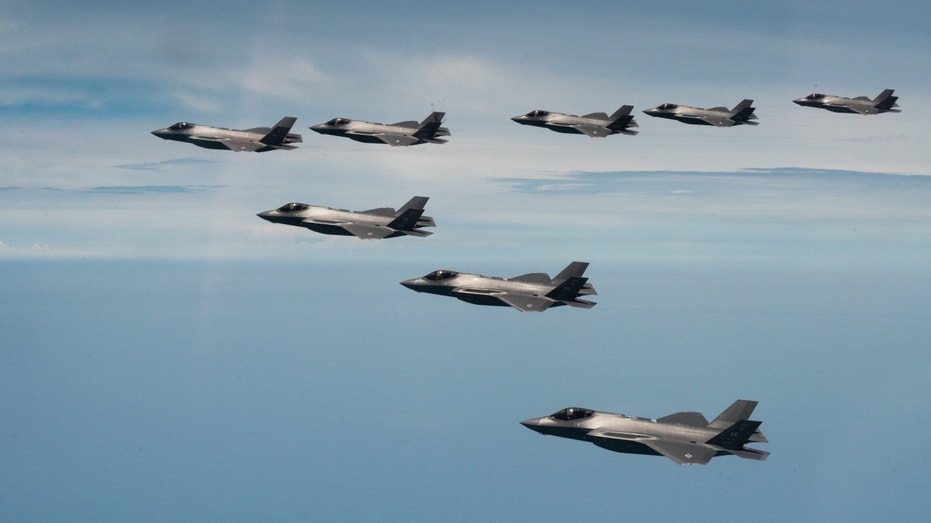
The U.S. military has conducted airstrikes on targets in Iran. (U.S. Air Force/Senior Airman Trevor Gordnier/51st Fighter Wing/DVIDS)
As the war in Iran continues, Flynn noted that if the conflict is able to remove the longstanding threat of Iran's regime closing the Strait of Hormuz and fomenting conflict throughout the Middle East via proxies like the Houthis in Yemen, it could result in lower long-term oil prices with that risk mitigated.
"We've had an Iranian risk premium in oil since Jimmy Carter… it's never quite gone away," Flynn said, noting that insurance costs and the perceived risk have remained embedded in oil prices despite the market's fluctuations over the years.
The latest price spike bears some similarities to what occurred during the early stages of Russia's invasion of Ukraine in late February 2022, though oil prices had gradually risen above $90 a barrel before the invasion itself prompted a spike above $115 a barrel. They remained around $100 a barrel into the summer before they gradually eased closer to $80 by the end of that year.
GET FOX BUSINESS ON THE GO BY CLICKING HERE
Flynn said that conflict presented a different challenge than the latest oil spike amid the ongoing Iran war, explaining that the "situation there was different because it wasn't a lack of supply that drove up prices – it was the desire to stop buying Russian oil that the market wasn't prepared to replace, and a lot of that was bad energy policy, you know the green energy policies of Europe and Joe Biden."