





Are new cars becoming a luxury item in America?
Buyers increasingly turning to used vehicles or keeping current cars as luxury purchases surge to 19.2% of new car sales

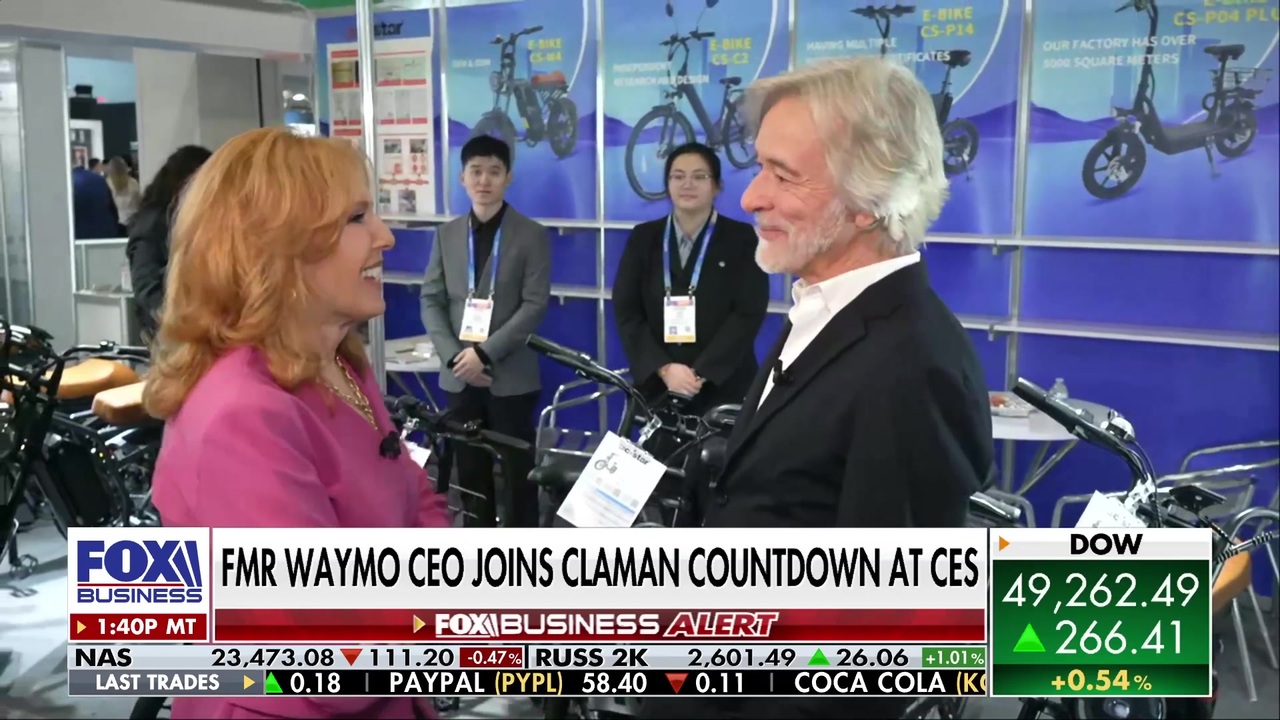
Mobility innovation and autonomous driving on display at CES
Former Waymo CEO John Krafcik discusses the evolution of self-driving technology and the company's safety improvements on ‘The Claman Countdown.’
Americans are increasingly getting priced out of the new car market as prices remain elevated.
The average transaction price for a new car in April 2025 was $48,422, slightly higher than average for the previous 12 months, according to Edmunds data, published June 2025. However, there is a significant price disparity when compared with used cars.
The average transaction price for new cars was more than 29% higher and 35% higher compared to 3-year-old used cars in April 2025 than in April 2020, according to Edmunds sales data.
NISSAN RECALLING OVER 26,000 VEHICLES DUE TO DOOR ISSUE THAT COULD INCREASE RISK OF CRASH
However, dealers appeared to be offering some discounts to try and get new cars off the lots.
The Manufacturer’s Suggested Retail Price, typically referred to in the industry as MSRP, averaged around $50,408 during April 2025. The difference between the average transaction price and the suggested retail price proves that there was some discounting going on, according to Ivan Drury, Edmunds Director of Insights.
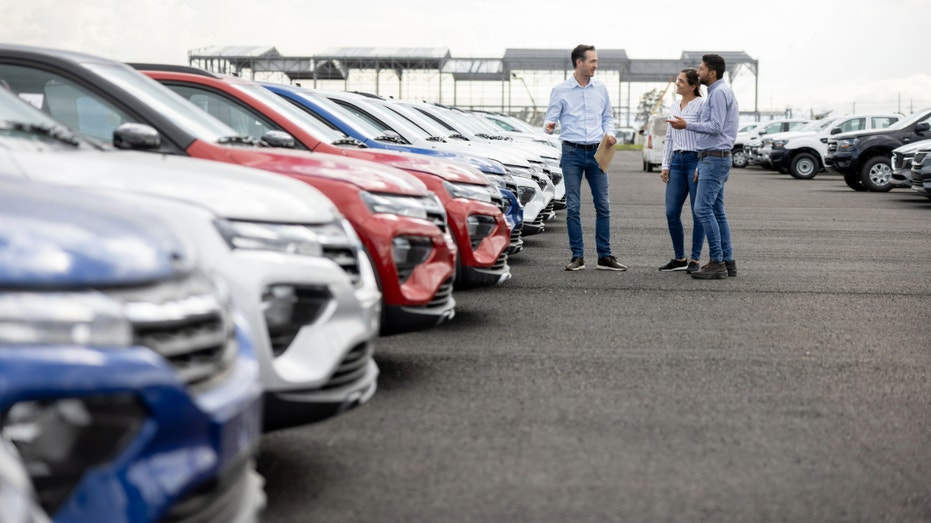
The average transaction price for new cars was more than 29% higher and 35% higher compared to 3-year-old used cars in April 2025 than in April 2020. (iStock)
Automotive expert and analyst Brian Moody told FOX Business that the higher new car prices are undoubtedly driving buyers to used cars or even forcing them to stick with their current car.
NISSAN ISSUES MASSIVE RECALL AS FAULTY PART THREATENS ENGINE FAILURE
That shift is also reflected in who is still buying new cars. Nearly 19.2% of new-car buyers are now choosing luxury brands, according to iSeeCars – up sharply from roughly 11% to 12% before the pandemic, based on Cox Automotive data.
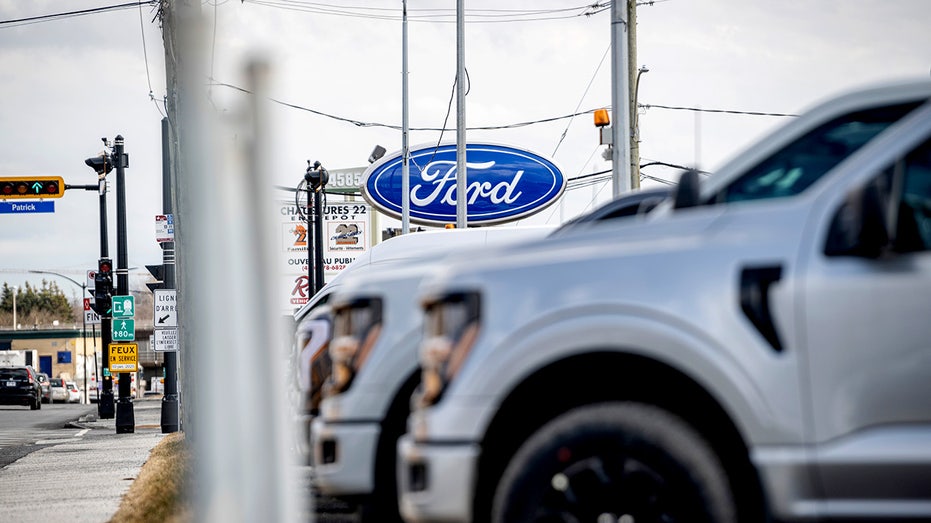
Nearly 19.2% of new-car buyers are now choosing luxury brands, according to iSeeCars. (Andrej Ivanov/Bloomberg via Getty Images)
One reason new cars are becoming more expensive is due to government compliance, fuel economy, safety equipment and smart technologies, all of which are adding to the complexity and cost of building a new car, Moody said. Tariffs, according to Moody, are also raising prices on some models that source parts from overseas or build their cars entirely overseas.
SMALL BUSINESS ADMINISTRATION UNVEILS NEW INITIATIVE TO ROLL BACK FEDERAL REGULATIONS
However, Moody believes "there's a technology plateau happening with new cars," which could lessen the incentive to buy new over a slightly used car.
"Once you get self-driving like Super Cruise and Blue Cruise and every car has Apple CarPlay and back-up cameras and forward collision detection and lane departure prevention – then what? A 4-year-old minivan is likely to have the same tech as a brand-new car," he said.
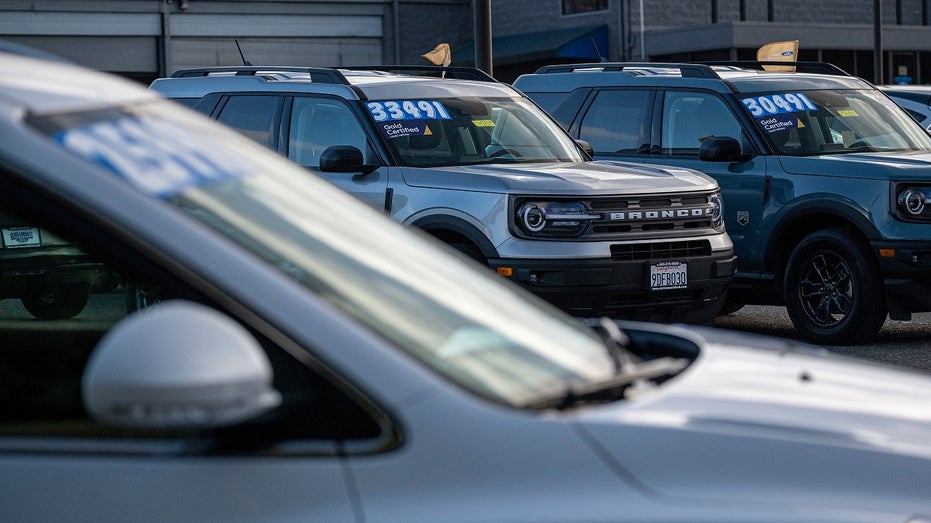
Used vehicles for sale at a dealership in Colma, California. (David Paul Morris/Bloomberg via Getty Images)
GET FOX BUSINESS ON THE GO BY CLICKING HERE
As a result, many automakers may have to find another way to reduce prices because the car won't have anything spectacular to offer in the next few years once the technology is roughly the same, according to Moody, who noted that many executives have already acknowledged that they need to find a way to lower the price of their cars.