


















Americans ditch EVs for bigger vehicles as auto trends reverse
Mid-size SUVs and trucks are seeing notable sales gains while smaller cars and EVs are losing ground, per New York Auto Show reporting
New data shows SUVs and trucks crushing electric car sales
FOX Business correspondent Jeff Flock joins ‘Varney & Co.’ to break down the surge in SUV and truck sales, the slowdown in electric vehicle demand and how billions in tariffs are reshaping the auto industry.
A shift in the auto market is becoming harder to ignore as consumer demand tilts back toward larger, gas-powered vehicles, even as electric vehicles struggle to maintain momentum.
STELLANTIS TAKES MASSIVE $26B HIT AFTER MOVING AWAY FROM EVS
FOX Business correspondent Jeff Flock joined FOX Business’ Stuart Varney on "Varney & Co." to report from the New York Auto Show, where automakers are leaning into SUVs and trucks amid changing buyer preferences.

Nissan ramps up US manufacturing amid Trump tariff push
Nissan Americas Chairman Christian Meunier discusses the debut of the 2027 Z Nismo at the New York Auto Show, highlighting performance upgrades and the brand’s next-generation sports car vision on 'Mornings with Maria.'
Recent sales data underscores that pivot. Midsize SUVs and trucks are seeing notable gains, while smaller cars and electric vehicles are losing ground, highlighting a widening gap between industry ambitions and what consumers are actually buying.
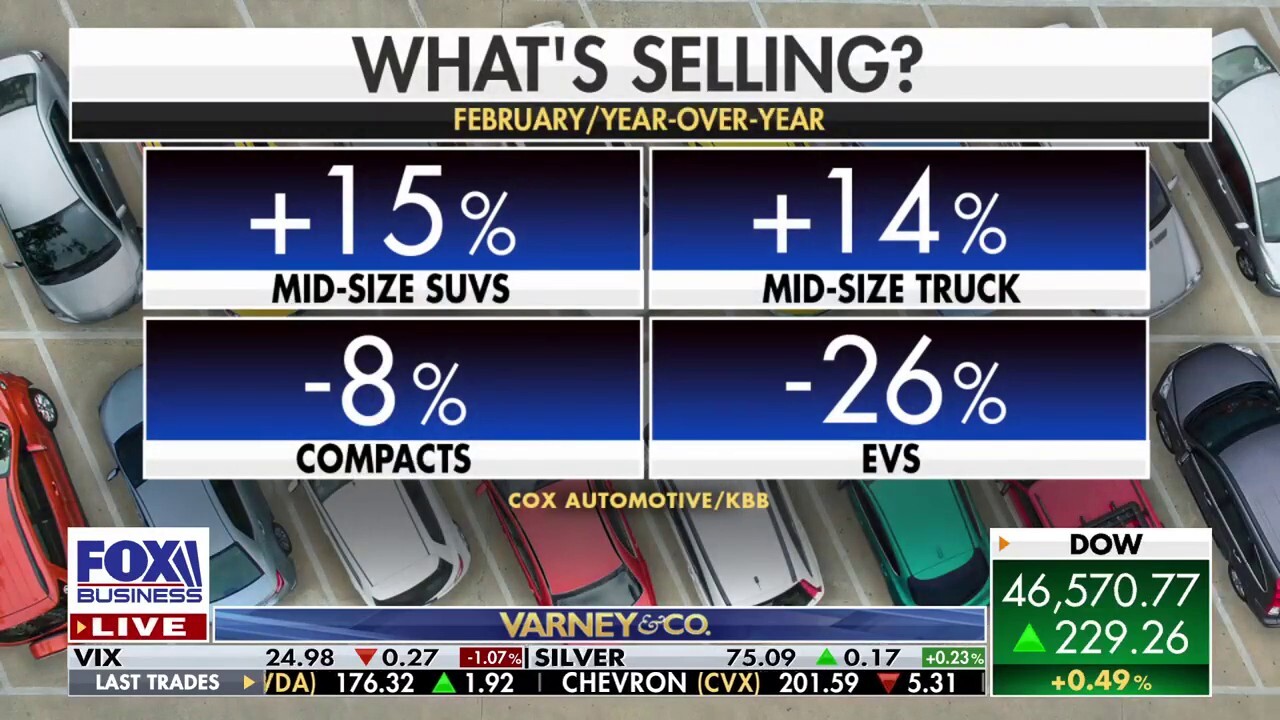
According to Cox Automotive and Kelley Blue Book, midsize SUV sales are up 15%, midsize truck sales are up 14%, while compact car sales are down 8% and EVs are down 26% in February compared to the same time last year. EV momentum has become increasingly uneven. Electric vehicles reached 10.5% of U.S. new-vehicle sales in the third quarter of 2025 but fell to 5.8% in the fourth quarter as incentives faded, highlighting a sharp pullback after earlier gains.
HONDA CANCELS 3 PLANNED EV MODELS FOR US
Nissan Americas Chairman Christian Meunier pointed to another pressure shaping the market: tariffs. Automakers and suppliers have absorbed billions of dollars in added costs, limiting their ability to pass those expenses on to buyers.
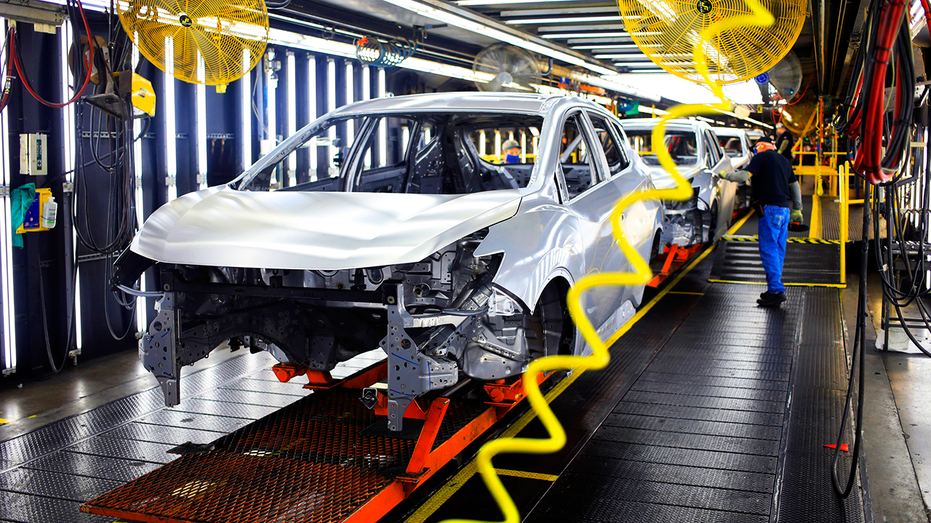
A vehicle frame moves down the assembly line at the Nissan Motor Co. manufacturing facility in Tennessee. (Luke Sharrett/Bloomberg / Getty Images)
"It's a lot of money, but it's a lot less than the exposure we had a year ago when it was implemented," Meunier said.
AMERICANS ARE PUMPING THE BRAKES ON ELECTRIC VEHICLE ADOPTION: 'AFFORDABILITY IS A BIG ISSUE'
He added that the company has worked to reduce that burden while increasing domestic production.
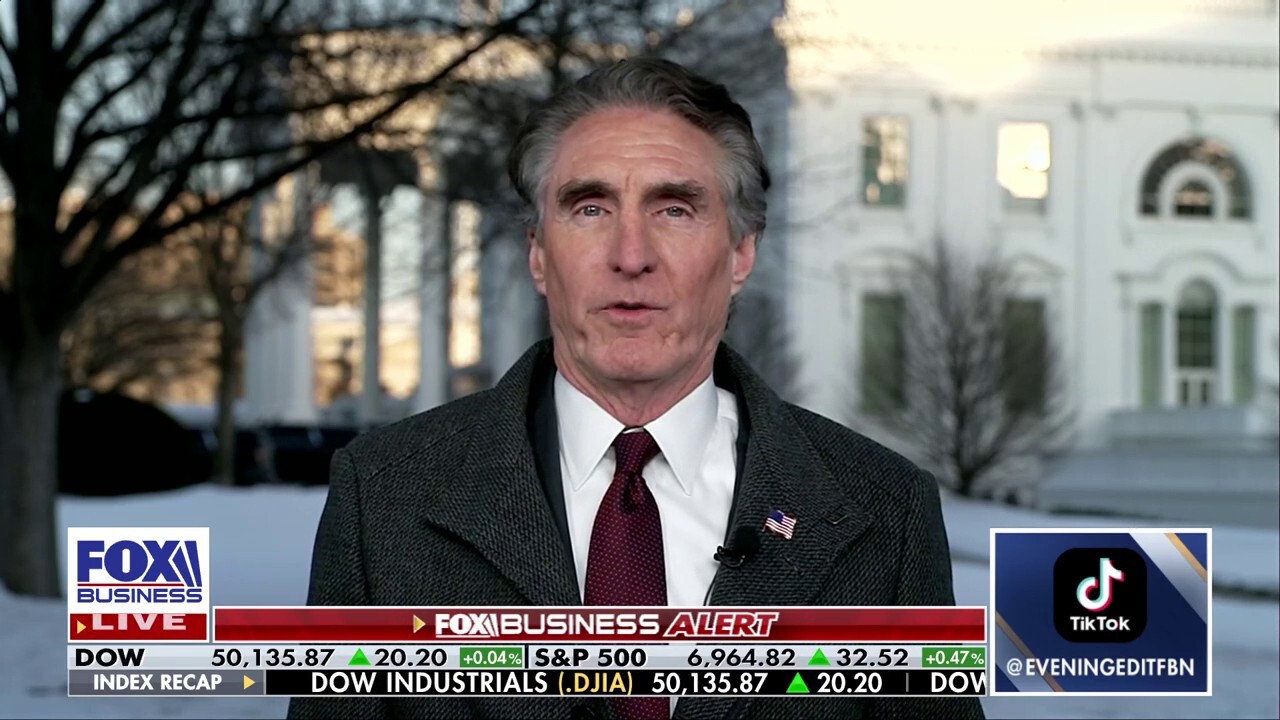
Trump saved auto industry from ‘decimation,' Interior secretary argues
Interior Secretary Doug Burgum commends President Donald Trump’s economic agenda on ‘The Evening Edit.’
"At the very beginning, we had an exposure of $4 billion. We took it down to $1.5 billion in 25, and we're going to get it down to zero. That's our mission to build as many cars in the U.S. as we can," Meunier said.


